A few months back, SeoLizards team was checking search results for a client’s recipe blog, and there it was — their ingredient list, sitting right inside an AI-generated answer on Google, with barely any credit given to the actual page. My first reaction was mild panic. My second reaction, after digging around for a couple of hours, was relief, because I realized the fix wasn’t some mysterious algorithm trick. It came down to something far more boring and far more powerful: schema markup. If you’re trying to figure out why some websites keep showing up inside ChatGPT answers, Google’s AI Overviews, or Perplexity’s summaries while others vanish into the background noise, schema markup is usually a big part of the story.
I know, “schema ” sounds like the kind of phrase that puts people to sleep at a marketing meeting. But stick with me, because once you understand what it actually does, you’ll start seeing it everywhere — or rather, you’ll start noticing when it’s missing.
Table of Contents
What Schema Markup Actually Is (In Plain English)
Strip away the jargon and schema is just a way of labeling your content so machines can understand it the way humans already do. When you read a recipe page, you instantly know which part is the ingredient list, which part is the cooking time, and which part is somebody’s rambling life story before they finally get to the point. Search engines and AI models don’t have that instinct. They need help.
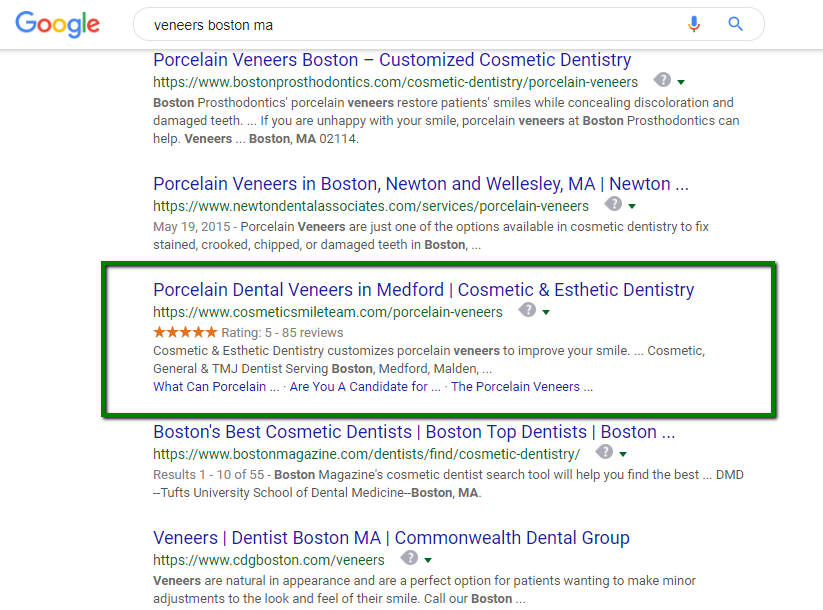
That’s where schema markup comes in. It’s a bit of structured code, usually written in a format called JSON-LD, that sits quietly in the background of your page and tells search engines and AI systems: “this is a product, this is its price, this is a review, this is an author, this is a step in a recipe.” Nothing flashy. No visible design changes. Just clear labels for machines.
Why Answer Engines Care So Much About Schema Markup
Here’s the shift that’s been happening over the last couple of years, and honestly, I think a lot of marketers are still catching up to it. Search is no longer just about ten blue links. People are asking questions directly to AI tools and expecting a straight answer, not a list of websites to click through. These tools — ChatGPT with browsing, Google’s AI Overviews, Perplexity, Bing Copilot — are what people are now calling answer engines.
An answer engine’s whole job is to pull information from the web, understand it fast, and hand the user a clean, confident response. And when a system has to make quick decisions about which content to trust and summarize, it leans heavily on whatever is easiest to parse. Unstructured paragraphs full of fluff are harder to trust and harder to extract from. Content wrapped in schema is basically handed to the machine on a silver platter.
The Rise of Answer Engines Changed the Rules
I’ve been doing SEO long enough to remember when the only goal was ranking position one through ten. That world hasn’t disappeared, but it’s no longer the whole game. Now there’s a second battlefield: getting cited or quoted inside an AI-generated answer, even if the person never clicks your link. Some people call this Answer Engine Optimization, or AEO. And schema sits right at the center of it, because it gives these engines a reliable map of your content instead of forcing them to guess.
How Schema Markup Helps AI Understand Your Content
Think of schema as a translator standing between your website and the machine reading it. Without it, an AI model has to infer meaning from messy HTML, guess at context, and hope it got things right. With schema in place, there’s no guessing involved. The model knows exactly where the FAQ answers are, what the star rating means, who wrote the article, and when it was last updated.
This matters more than people realize. Answer engines are under pressure to be accurate. Get an answer wrong, and users lose trust fast. So these systems naturally gravitate toward sources that reduce their own risk of error — and clearly labeled content does exactly that. In a strange way, schema markup isn’t just helping your visibility, it’s helping the AI look competent.
Types of Schema Markup Worth Prioritizing
Not every type carries equal weight for answer engine visibility. From what I’ve tested and seen work across different client sites, a few types consistently pull more weight:
- FAQ schema — perfect for question-and-answer content, which is exactly the format answer engines love to lift from
- Article schema — helps establish authorship, publish dates, and topic relevance
- Product and Review schema — critical for ecommerce visibility inside AI shopping summaries
- HowTo schema — great for step-based content like tutorials or recipes
- Organization and Person schema — builds trust signals around who’s actually behind the content
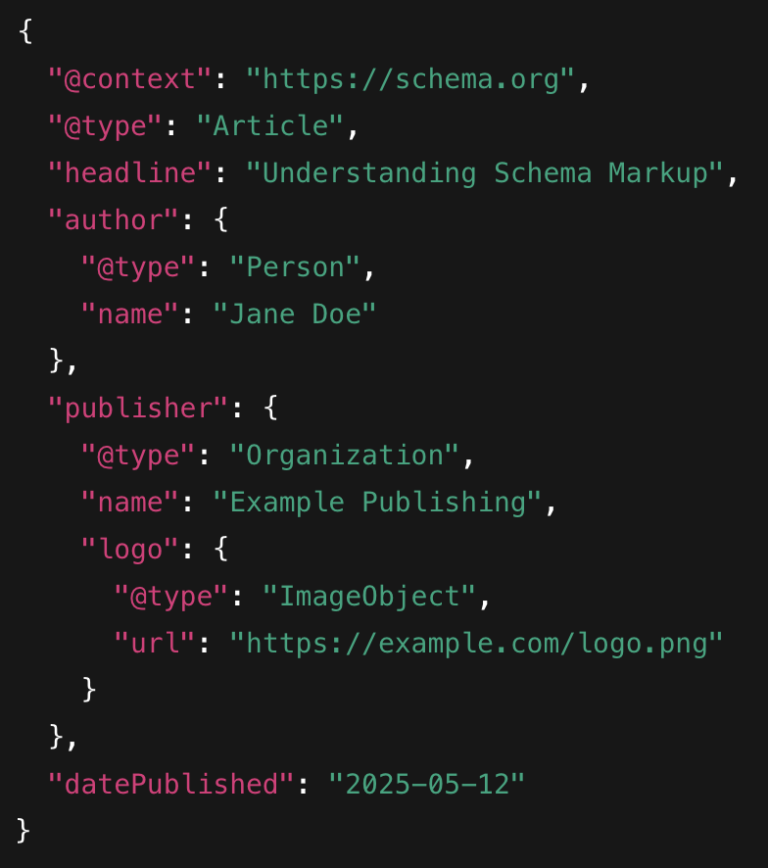
You don’t need to implement every single type on every page. Pick what genuinely matches your content, and let the schema do its quiet work in the background.
My Own Experience With Schema Markup (And Where I Went Wrong)
I’ll be honest, the first time I added schema markup to a client’s site, I overdid it. I stuffed in every schema type I could find, thinking more was better. Nothing happened. No spike in visibility, no magical appearance in AI answers. It took a step back and a more focused approach — matching the schema type to the actual content, cleaning up inconsistent data, and validating everything properly — before we started seeing the page show up in AI-generated summaries and featured snippets.
That experience taught me something simple: schema isn’t a checkbox you tick once and forget. It has to accurately reflect what’s on the page, or it can actually backfire and confuse the systems reading it.
Common Mistakes People Make With Schema Markup
A few things I see constantly, even from experienced site owners:
- Adding schema markup that doesn’t match the visible content on the page
- Forgetting to test it with validation tools before publishing
- Using outdated schema types that search engines no longer prioritize
- Assuming schema markup alone guarantees visibility, without pairing it with genuinely useful content
That last point is important. Schema amplifies good content. It doesn’t rescue weak content.
Final Thoughts
If you’re serious about showing up inside AI-generated answers, not just traditional search results, schema markup deserves a permanent spot on your website checklist. It’s not glamorous work, and nobody’s going to compliment your JSON-LD code at a dinner party. But every time an answer engine pulls a clean, accurate response from your site instead of a competitor’s, there’s a decent chance schema markup quietly made that happen behind the scenes.
I’d rather spend an afternoon getting my schema markup right than spend months wondering why my content keeps getting passed over in favor of someone else’s clearly labeled page.