If you’ve been pouring hours into video content but still can’t crack page one of Google or the top results on YouTube, you’re not alone. Most creators and brands treat these as two separate battles, when really, Video SEO is what connects them. Get it right, and a single well-optimized video can rank on YouTube search, show up in Google’s video carousel, and even land in the main organic results — all from the same piece of content.
Let’s break down what that actually takes.
Table of Contents
Why Video SEO Matters More Than Ever
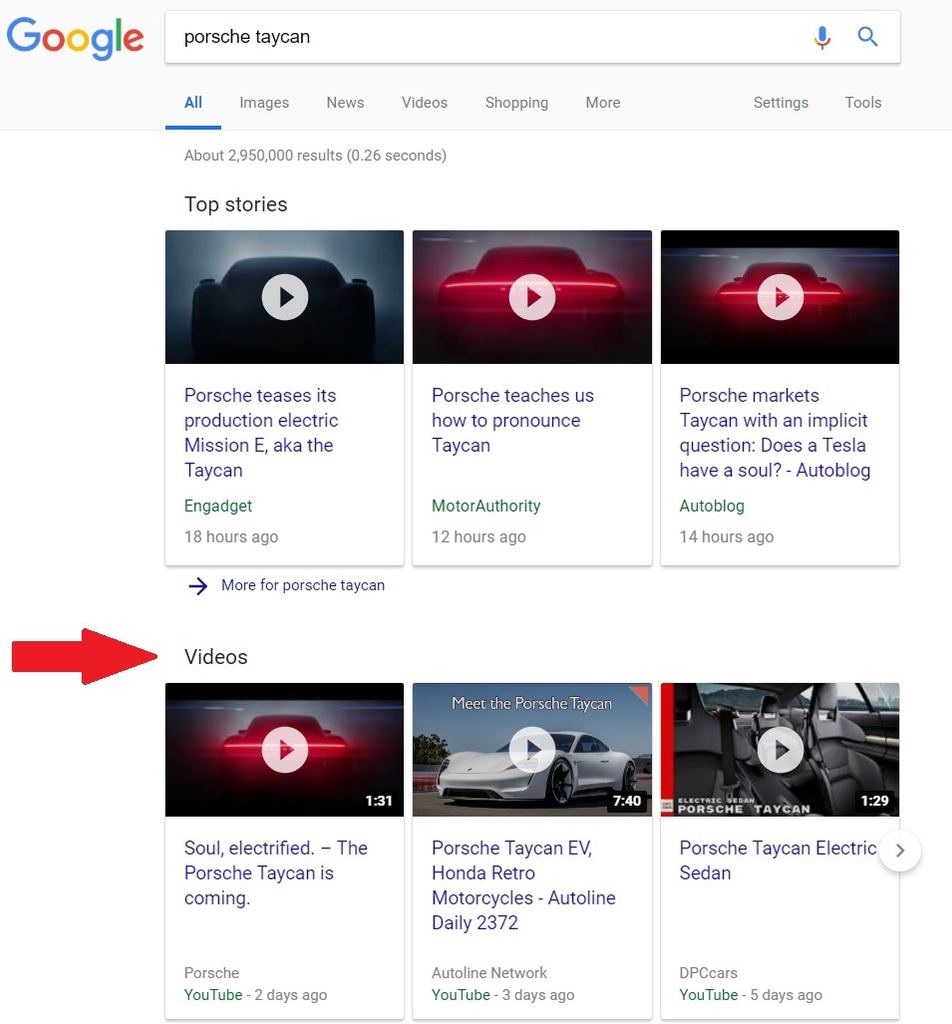
Google owns YouTube, so it shouldn’t come as a shock that the two search engines are more connected than most people realize. When someone searches “how to fix a leaking tap” on Google, there’s a good chance a YouTube video shows up right there in the results, sometimes above the written articles. That’s not luck. That’s a video that was optimized to be found by both systems at once.
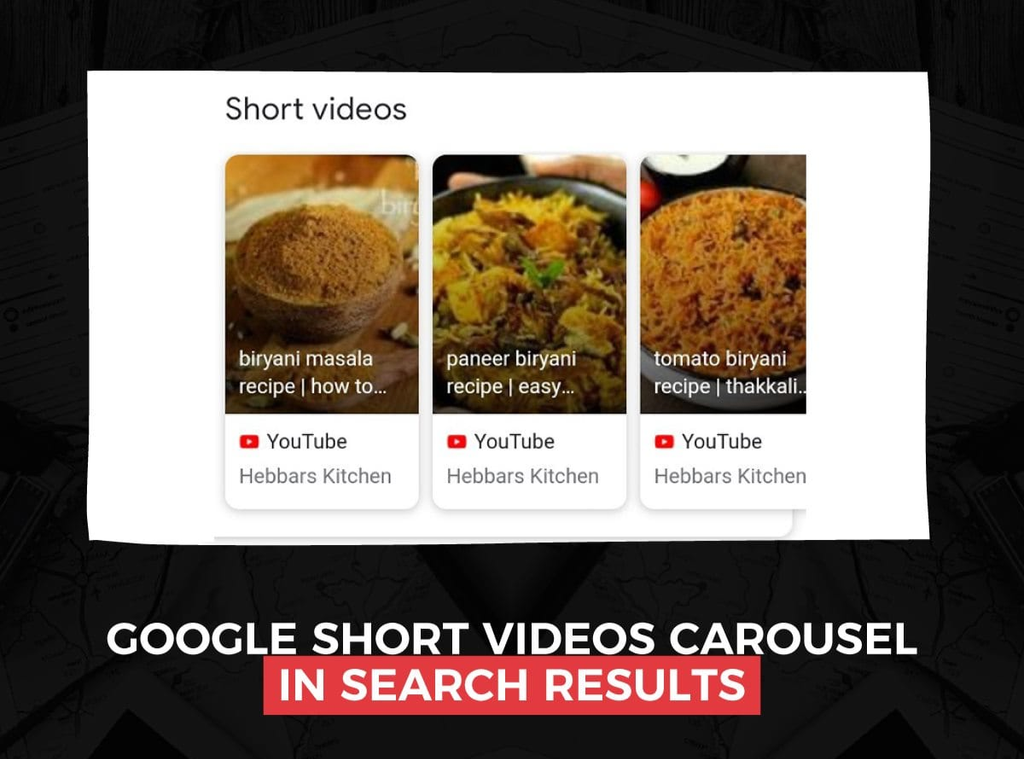
The catch is that Google and YouTube don’t weigh things identically. YouTube cares a lot about watch time, session duration, and how well your video keeps people on the platform. Google cares more about relevance, page context, and how authoritative the surrounding content is. A smart strategy has to satisfy both without feeling like you’re writing for a robot.
The Video SEO Ranking Factors You Can’t Ignore
A few things consistently move the needle:
- Watch time and audience retention — if people click away in the first 15 seconds, no algorithm is going to push your video further.
- Click-through rate — your thumbnail and title do the heavy lifting here. Boring thumbnails kill otherwise great videos.
- Transcripts and closed captions — Google can’t watch your video, it reads it. A full transcript gives it the text signals it needs.
- Engagement — likes, comments, shares, and subscribes all tell the algorithm this content is worth surfacing.
- Backlinks and embeds — yes, videos benefit from backlinks too, just like blog posts do.
None of these work in isolation. They stack on top of each other, which is why so many people give up halfway through — they nail the title but forget the transcript, or they get great retention but never bothered with a proper description.
How Google and YouTube Search Actually Work Together
Here’s the part people miss: your video doesn’t just need to rank on YouTube’s internal search. It needs enough contextual signal — through titles, descriptions, structured data, and the page it’s embedded on — to earn a spot in Google’s broader results too.
If you’re hosting the video on your own website, embedding it with a proper video schema markup, surrounding it with relevant written content, and linking to it from other pages on your site, you’re giving Google far more to work with than a bare YouTube link ever could.
Building a Video SEO Strategy That Works for Both Platforms
This is where most of the actual work happens, and honestly, it’s not glamorous. It’s research, structure, and a bit of patience.
Keyword Research for Video SEO
Start the same way you would for a blog post — figure out what people are actually typing into the search bar. Tools like TubeBuddy, VidIQ, or even Google’s own autocomplete can show you what’s being searched around your topic. The difference with video is that people often phrase things more conversationally: “how to,” “best way to,” “vs,” “review” — these phrasings tend to perform well because they match how people talk when they’re looking for a video answer rather than a written one.
Once you’ve got your primary term, weave it naturally into your title, your first sentence or two on screen, your description, and a few tags. Don’t force it in ten times; search engines are good at spotting that now, and it just reads awkward to actual humans watching.
On-Page Video SEO: Titles, Descriptions, and Tags
Your title needs to do two jobs at once — hook a human and satisfy an algorithm. “5 Things I Wish I Knew Before Buying My First Camera” works better than “Camera Buying Tips,” because it’s specific and it sounds like something a person would actually click.
Descriptions matter more than people give them credit for. Write at least 200 words, include your main keyword near the top, and actually describe what happens in the video — timestamps help a lot here too, both for viewers and for search engines trying to understand the structure of your content.
Common Video SEO Mistakes That Kill Your Rankings
A few patterns show up again and again:
- Uploading without a transcript. You’re leaving free text signals on the table.
- Generic titles. “Vlog #47” tells nobody, including Google, what’s inside.
- No end screens or playlists. These keep viewers on the platform longer, which YouTube rewards.
- Ignoring the first 48 hours. Early engagement often decides how far a video gets pushed, so promote it the moment it’s live rather than hoping it finds its own audience.
- Treating YouTube SEO and website SEO as separate projects. They should be feeding each other, not competing for your attention.
How SeoLizards Approaches Video SEO
This is honestly where a lot of businesses hit a wall — they know video matters, but they don’t have the bandwidth to research keywords, write proper descriptions, build schema, and track performance across two search engines at once. That’s the gap SeoLizards fills.
The team at SeoLizards builds Video SEO strategies that don’t just chase YouTube views — they connect your video content back to your website, your existing SEO efforts, and your actual business goals. Instead of treating a video as a one-off upload, they treat it as another asset in a bigger search visibility plan, optimizing everything from the transcript to the schema markup to the internal linking around it. If you’ve got video content that isn’t pulling its weight in search, it’s worth having a conversation with them before you upload another one into the void.
Wrapping It Up
Ranking on Google and YouTube together isn’t about tricking either algorithm — it’s about giving both of them exactly what they’re looking for: relevant, well-structured, genuinely watchable content. Nail your keyword research, write descriptions like you mean it, keep people watching, and connect your videos back to the rest of your site. Do that consistently, and Video SEO stops being a mystery and starts being one of the most reliable growth channels you have.