I still remember the first Google Ads account I ever touched. It was for a small furniture store, and I was convinced that clever, punchy copy was all it took to win. Three weeks in, my Quality Scores were sitting at a sad 4 out of 10, my cost-per-click was climbing, and my client was asking questions I didn’t have good answers for. That’s when I actually learned what Google Ads rewards — and it isn’t cleverness. It’s relevance, and relevance is something you can engineer on purpose.
If you’ve ever stared at a Quality Score column wondering why a “good enough” ad is underperforming, this one’s for you. I’m going to walk through what actually moves the needle, based on campaigns I’ve run (and messed up) over the years, not just theory pulled from a help doc.
Table of Contents
Why Most Google Ads Copy Fails on Quality Score
Here’s the uncomfortable truth: most Google Ads copy is written to sound good to the person writing it, not to match what the searcher typed into the box. Marketers fall in love with a headline, get attached to a tagline, and forget that Google’s algorithm doesn’t care about brand voice — it cares about pattern matching between search term, ad text, and landing page.
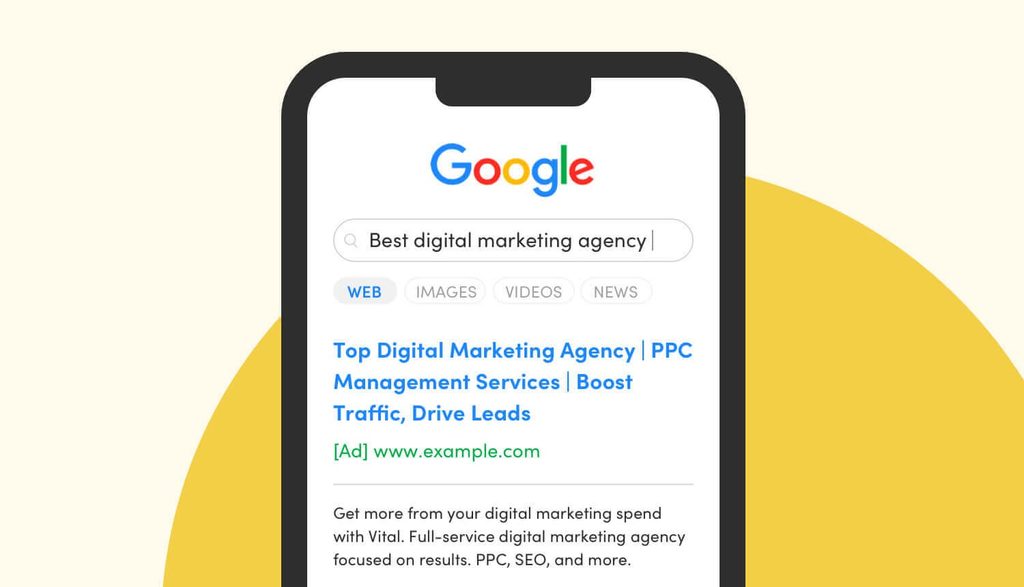
I’ve audited dozens of accounts where the ad copy was genuinely well-written from a copywriting standpoint, and the Quality Score was still mediocre. Why? Because “well-written” and “relevant” are two different things. A beautifully worded ad that doesn’t echo the keyword phrase, doesn’t answer the searcher’s actual question, or sends people to a generic homepage will always underperform, no matter how polished the language is.
What Quality Score Actually Rewards in Google Ads
Google breaks Quality Score down into three components: expected click-through rate, ad relevance, and landing page experience. Most people know this. What fewer people internalize is that these three things are meant to work as one continuous thread — the keyword, the ad, and the page should all be telling the same story.
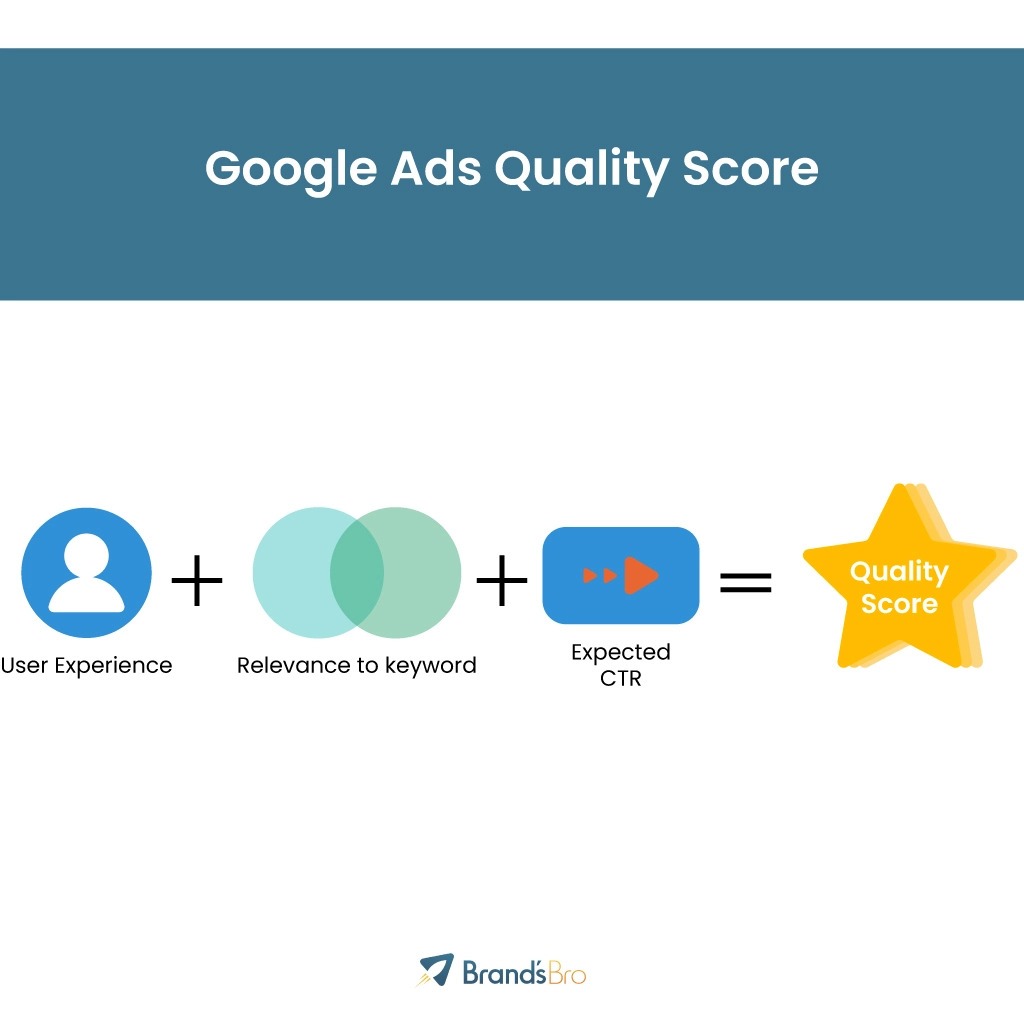
When I’m reviewing a Google Ads account, I ask one blunt question: if I searched this exact keyword, would this ad feel like it was written specifically for me? If the answer is “not really,” that’s usually where the Quality Score problem is hiding, not in some technical setting buried in the campaign.
Matching Intent in Your Google Ads Headlines
This is the part people skip. Search intent isn’t just about stuffing the keyword into headline one — although yes, do that too. It’s about understanding whether someone searching “emergency plumber near me” wants urgency and availability, or whether someone searching “how much does a plumber cost” wants pricing transparency. Same industry, completely different headline.
I’ve had the best luck writing three or four headline variations that each speak to a different stage of intent — one urgent, one price-focused, one trust-focused — and letting Google’s ad rotation figure out which resonates. It’s less about guessing right the first time and more about giving the system enough honest options to test.
Aligning Landing Pages With Google Ads Copy
I can’t count how many times I’ve seen a fantastic Google Ads campaign get dragged down by a landing page that had nothing to do with the ad. If your headline promises “Same-Day Delivery,” and the landing page is a generic product catalog with no mention of delivery speed, Google notices, and honestly, so do your visitors.
The fix is almost embarrassingly simple: build (or at least tweak) a landing page section that mirrors your ad’s core promise. It doesn’t need to be a whole new page. Sometimes a single line above the fold that repeats the ad’s exact promise is enough to lift both your Quality Score and your conversion rate.
Mistakes That Quietly Kill Google Ads Performance
A few patterns show up again and again in accounts I’ve inherited:
- Generic CTAs. “Learn More” tells Google nothing about relevance. “Book Your Free Estimate Today” does.
- Ignoring ad extensions. Sitelinks, callouts, and structured snippets aren’t decoration — they’re extra relevance signals, and skipping them is leaving free score on the table.
- One ad per ad group. Google needs options to test. A single static ad limits how much the algorithm can optimize on your behalf.
- Keyword stuffing without context. Repeating a keyword five times doesn’t help if the sentence around it reads like a robot wrote it. Natural language that still contains the keyword phrase always wins.
I made every one of these mistakes early on, and honestly, some months I still catch myself slipping back into the “one solid ad and move on” habit. It’s a discipline thing as much as a skill thing.
Why I Hand Off My Google Ads Campaigns to SeoLizards
At some point, I stopped trying to be the smartest person in every single Google Ads account. Running paid search well takes constant testing, constant landing page tweaks, and constant attention to Quality Score trends — and honestly, that’s a full-time job on its own.
That’s why, for a lot of my client work now, I bring in SeoLizards to manage the heavier lifting on Google campaigns. What I appreciate about their approach is that they don’t treat Quality Score as a vanity metric — they treat it as a direct lever on cost-per-click and budget efficiency, which is exactly how it should be treated. If you’re spending real money on Google Ads and you’re tired of guessing why your scores won’t budge, it’s worth having a conversation with a team that lives inside these accounts every day. SeoLizards has been a genuinely useful partner for structuring campaigns properly from the ground up, instead of patching problems after the budget’s already been burned.
Final Thoughts on Writing Better Google Ads Copy
Writing Google Ads copy that beats the average Quality Score isn’t about finding a magic headline formula. It’s about discipline: matching intent, aligning your landing page, giving the algorithm enough good variations to test, and being honest with yourself when an ad simply isn’t performing, no matter how much you like the wording.
I still tweak my own campaigns weekly. Quality Score isn’t a “set it and forget it” number — it moves as your competitors’ ads change, as searcher behavior shifts, and as your landing page evolves. Treat it as an ongoing conversation with Google’s algorithm rather than a box to check once, and you’ll notice your Google Ads accounts start outperforming the averages you used to just accept.