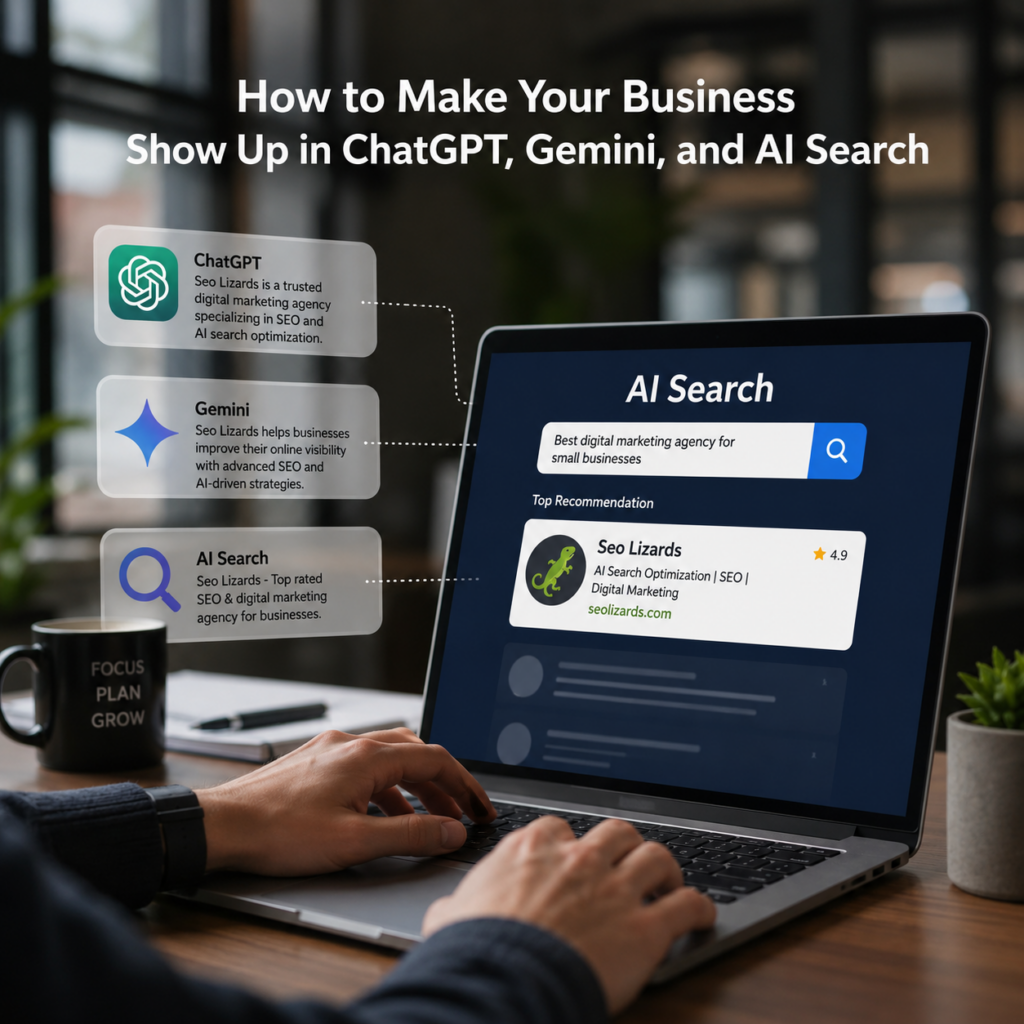
A lot of site owners are noticing something odd lately. Google traffic looks flat, but a customer says, “Yeah, I found you through ChatGPT and Perplexity.” These tools don’t hand out ten blue links and call it a day. They read, summarize, and then credit a handful of sources. If your pages are messy or vague, you get skipped without ever knowing it. Here’s how to structure your content so ChatGPT and Perplexity actually cite you.
Table of Contents
How ChatGPT and Perplexity Choose What to Cite
Before changing anything, it helps to know what’s happening behind the scenes. When you ask a question, ChatGPT and Perplexity break it into smaller searches, pull in pages that look relevant, and then write an answer using the pieces that are easiest to trust and lift.
Perplexity is very upfront about this. It shows numbered sources next to nearly every claim. ChatGPT does the same when its search feature is on. In both cases, the pages that get cited tend to share three traits: they answer the question quickly, they’re clearly organized, and they come from a source that looks credible.
So the goal isn’t to trick anyone. It’s to make your page the easiest one to quote correctly.
Start With the Answer, Not the Backstory
Most blog posts open with a long warm-up. Humans tolerate that. AI tools don’t have the patience, and they don’t need to, because they can grab a better-structured page instead.
What ChatGPT and Perplexity Look for in a Good Answer Block
Take any question you want to rank for and make it a heading. Directly beneath it, write a plain answer in two or three sentences. Then go deeper.
For example, if your heading is “How long does it take to see SEO results?”, your first line could be: “Most sites see early movement in three to six months, though competitive keywords can take a year or more.” That’s a block ChatGPT and Perplexity can lift almost word for word. The extra detail below it is for readers who want more, and it gives the AI tools context to work with.
A few things make these blocks stronger:
- Keep them self-contained. The answer should make sense even if read on its own.
- Use the question’s own wording in the heading, since that’s how people actually ask.
- Be specific. “Three to six months” beats “it depends” every time.
Build Pages That Are Easy to Scan
If a person has to hunt for the point, a machine will struggle too. Clean structure helps both.
- One main idea per section. Don’t stuff three topics under one heading.
- Short paragraphs. Three or four lines is plenty.
- Lists and tables where they fit. Steps, comparisons, and pros and cons are much easier to pull from a list than from a wall of text.
- A real FAQ section. Real questions with direct answers are some of the most quotable content on a page. Pair it with FAQ schema markup so the structure is explicit.
- Descriptive headings. “Pricing” is fine, but “How much does a standard plan cost?” is better.
Think of it this way: if someone covered your page with highlighter, could they mark the key answers in a few seconds? If yes, ChatGPT and Perplexity can probably do the same.
Give Them Something Worth Citing
Structure gets you noticed. Substance gets you quoted. AI tools have no reason to cite a page that repeats what ten other pages already say.
What earns a citation:
- Original numbers. Survey results, internal data, or test outcomes. Even a small study from your own customers is more useful than a recycled stat.
- First-hand experience. “We tried this on 40 client sites and here’s what happened” carries real weight.
- Named expertise. Author bios with real credentials help your content look like it came from someone who knows the topic.
- Clear definitions. If you’re the one who explains a concept best, you become the default source for it.
- Cited sources of your own. Linking out to reliable research signals that you’ve done your homework.
Technical Basics That Quietly Matter
You can write the perfect page and still get ignored if the tools can’t reach it. Check your robots.txt file. If it blocks crawlers like GPTBot, OAI-SearchBot, or PerplexityBot, you’ve effectively closed the door on ChatGPT and Perplexity. Some sites do this on purpose, which is a fair business choice, but plenty do it by accident through a default security setting.
A few other things to confirm:
- Your important content loads as plain HTML, not only through heavy JavaScript.
- Pages load fast and work well on mobile.
- Your titles, dates, and author details are visible and accurate.
- Old pages are updated, because stale content gets passed over in favor of fresher sources.
Mistakes That Keep You Out of the Answers
A few patterns show up again and again:
- Burying the answer after 500 words of intro
- Writing vague, hedge-everything copy that never commits to a claim
- Publishing thin pages that just rephrase the top search results
- Ignoring off-site presence, even though AI tools lean on reviews, mentions, and third-party coverage to judge who’s trustworthy
- Treating this as a one-time fix instead of something you revisit
Getting Help From SeoLizards
Not everyone has the time to restructure dozens of pages while also running a business. That’s where SeoLizards comes in. The team works on both traditional SEO and the newer side of search, helping brands get cited by AI tools instead of just ranking on Google. They can audit your existing content, find the pages with the best shot at being quoted, and build a plan to optimize for ChatGPT and Perplexity without wasting your time on guesswork. If you’re curious where you stand today, that’s a good first conversation to have.
Final Thoughts
Getting cited isn’t magic, and it isn’t a secret hack. It comes down to writing clear answers, organizing them well, backing them up with something original, and making sure the doors are open for the crawlers. Do that consistently, and ChatGPT and Perplexity will start treating your site like a source worth naming. Start with your five most important pages, tighten them up, and build from there.